Industries that need Public and Product Liability Insurance
At a glance
Public and product liability exposure depends on how a business works, not just its size or industry.
Businesses that interact with the public, work on client property or venues, or sell physical products may face liability risks.
Fitness, photography, retail, hospitality, trades and consulting businesses can carry this exposure in different ways.
Clients, venues, councils or contractors may also ask for proof of cover before work begins.
Not every business carries the same kind of risk. A photographer carrying gear to a shoot location faces a different exposure than a florist delivering arrangements to a venue, yet both could still face a claim.
Public & Product Liability Insurance is designed to respond to claims involving third-party injury or property damage connected to business activities or products a business sells, supplies or distributes. Policies are subject to eligibility, policy terms, conditions, limits and exclusions.
So why do some industries need it more than others? It usually comes down to how often a business interacts with the public, works around other people’s property or supplies physical products. The six industries below illustrate where this exposure commonly arises and why cover may be worth considering.
Fitness and Wellness
Fitness and wellness work is sometimes prone to physical hazards. Yoga teachers, Pilates instructors, personal trainers, massage therapists and allied health professionals could all be exposed to possible third-party bodily injury or property damage claims.
A client could slip and fall in an overcrowded environment or be injured using gym equipment during a session. If a claim arises, Public Liability cover may help the business respond.
Proof of cover can also be required before work begins. Studios, gyms, councils, event organisers and hired venues often ask for a Certificate of Currency before confirming a booking. A yoga teacher running classes across several venues, for instance, may need to provide proof of insurance each time a new space is booked. Public & Product liability insurance is often one of the first types of insurance yoga teachers look into for this reason.
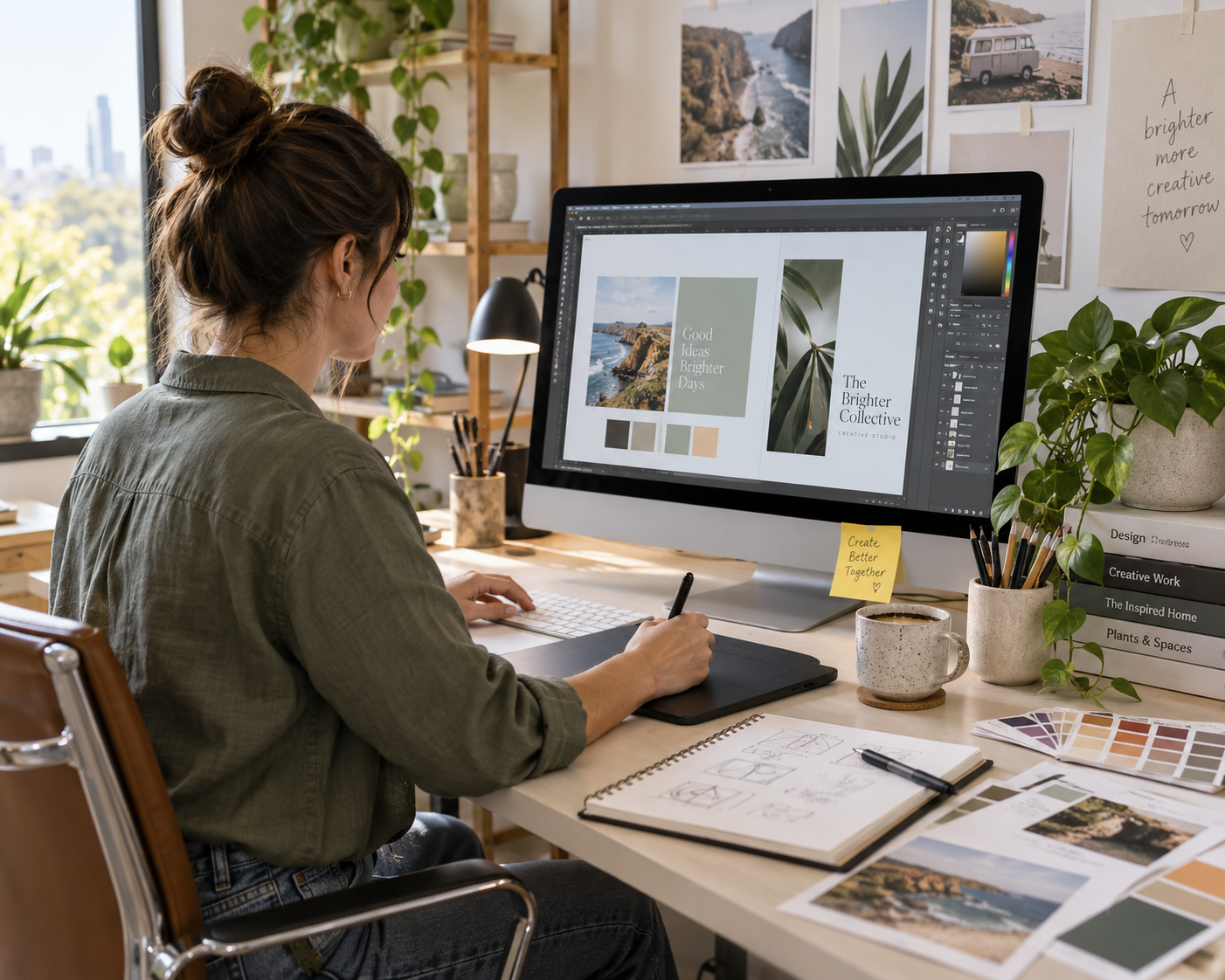
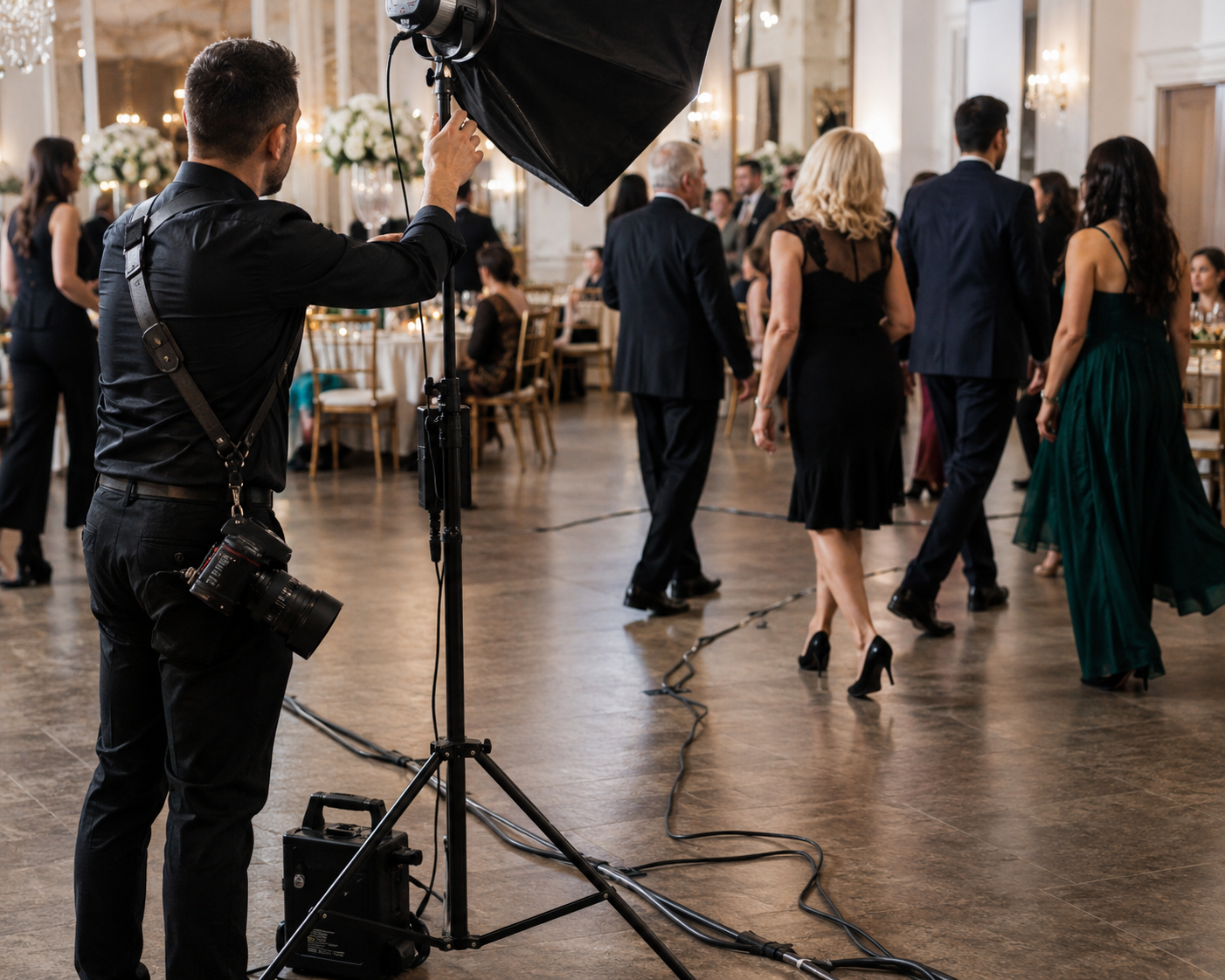
Photography and creative services often mean stepping into someone else’s property. Photographers, videographers, graphic designers and other creatives may work in client homes, offices, studios, venues or event spaces, carrying cameras, lighting, cables and props.
A guest could trip over a cable at a wedding, lighting equipment could fall and damage a venue floor or a backdrop stand could knock into someone nearby. In those situations, Public Liability cover may help the business respond to injury or property damage claims.
This is different from Professional Indemnity (PI) insurance. For a photographer, PI cover responds to claims arising from professional mistakes, such as lost files, missed shots or failure to deliver agreed work. Many creative professionals hold both because the risks sit side by side but come from different aspects of the job.
Retail and Product Supply
A business’s responsibility for a product does not end once the product is out of its possession. Once an item leaves the shop, market stall or delivery van, it is out of the seller’s hands, but if it causes injury or damage, the business that supplied it may still face a claim.
A floral arrangement delivered to a venue that falls, a skincare product that causes a reaction or a homeware item that breaks could all lead to a customer being hurt or their property being damaged. Product liability cover is designed to help businesses respond to claims like these.
The exposure is not limited to physical stores. Online retailers, market stallholders, handmade product sellers and small manufacturers can carry it too. A candle maker selling exclusively online faces similar product exposure to a homewares store with a shopfront.
If the business also has face-to-face contact with customers, suppliers or the public, a Public and Product Liability insurance policy may be worth considering.
Food, Café and Hospitality
Hospitality exposure tends to come from two directions. It is a public-facing industry, so customers moving through a dining room or queuing at a stall can create injury risks. It also involves selling food and drink directly to customers, which introduces product liability exposure alongside public liability exposure.
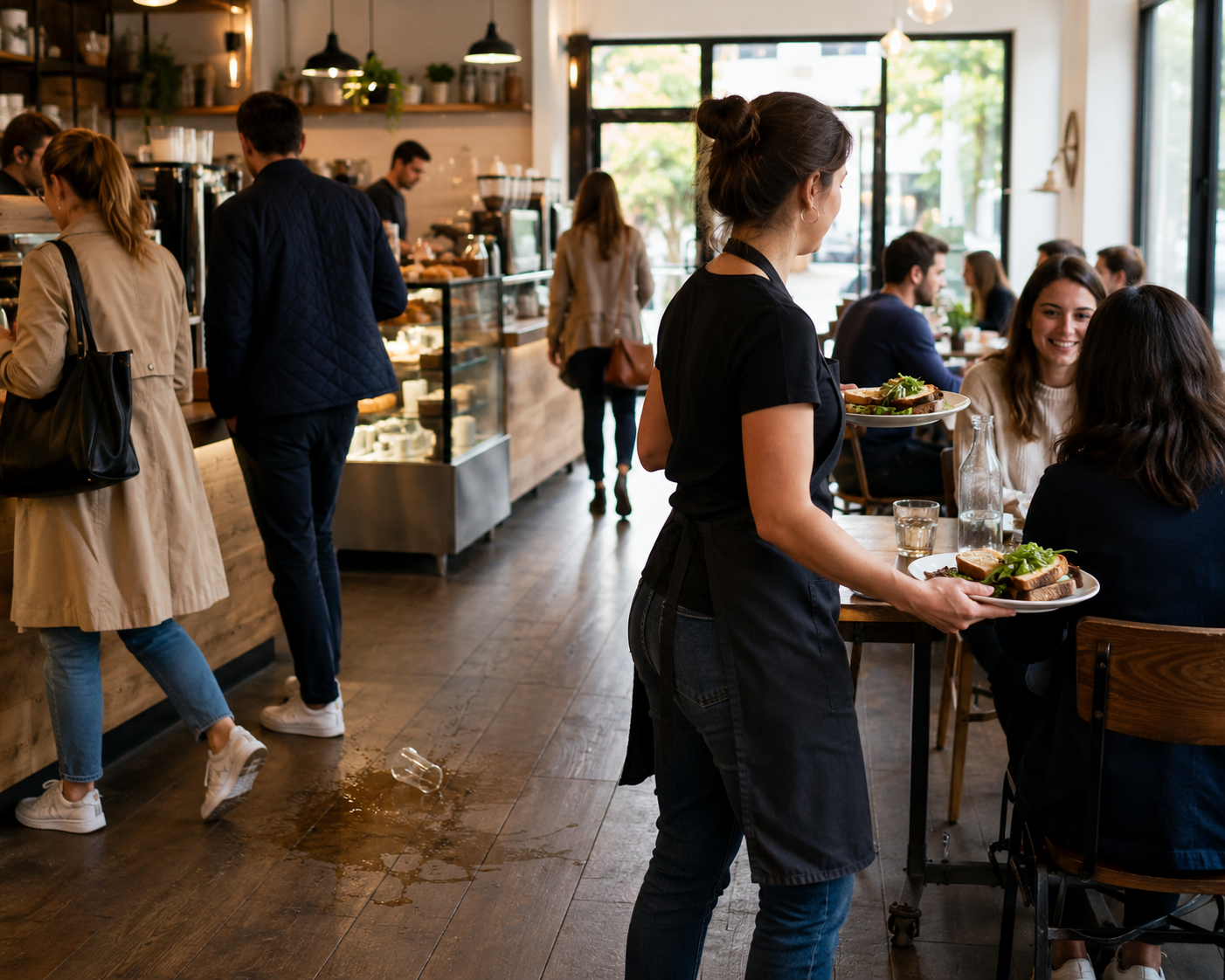
A customer slipping on a spilled drink or being injured by a broken chair sits on the public liability side. A customer alleging they became unwell after consuming food or drink sits on the product liability side.
This dual exposure follows the business regardless of how it operates. A market stall, food truck or pop-up may not have a fixed dining room, but it still serves customers in a physical setting and sells products for consumption.
That is why councils, landlords and event organisers may ask for proof of cover before approving a stall, permit or venue use. For hospitality businesses, liability cover is often a condition of trading, not only a safeguard against major incidents.
Consulting and Business Advisory
Consulting and business coaching are largely advice-based, which is why Professional Indemnity insurance is often the first cover that comes to mind. But running workshops, hosting sessions or meeting clients on-site can create risks that fall outside the scope of professional service altogether.
A workshop attendee could trip over a cable at a hired venue or a client could be hurt during an in-person coaching session. These incidents are linked to the business activity, not the service or advice provided. Venues hired for workshops or seminars may also ask for proof of cover before confirming a booking.
Professional Indemnity relates to professional services, while Public Liability relates to physical incidents connected to the business. For business coaches and consultants, understanding where each begins and ends is particularly useful.
Tradespeople and mobile service providers often work on someone else’s property, which changes the nature of their liability exposure. Cleaners, gardeners, handymen, electricians and similar businesses may bring tools, equipment, products or materials into homes, offices, shops or worksites.
A cleaner could damage flooring, a gardener could crack outdoor tiles or a tool could injure someone nearby. These are not product complaints or advice-related issues. They are physical risks connected to working in another person’s space.
Public Liability insurance may also be required before site access is granted. Builders, property managers, commercial clients and contractors often ask for proof of cover before allowing a business to start working on-site.
The industries discussed here may look different on the surface, but the underlying exposures are similar: contact with the public, work on someone else’s property, physical products or a combination of these.
For many sole traders, freelancers and small businesses, Public & Product Liability Insurance can become a practical requirement when clients, venues, landlords, councils or contractors ask for proof of cover before work begins.
Sami Insurance offers public and product liability insurance across more than 800 occupations, with cover options of up to $20 million and premiums starting from approximately $3 per week. Cover is tailored to occupation and risk exposure, subject to eligibility, policy terms, conditions, limits and exclusions.
Do I need Public Liability insurance if I work from home?
Possibly. If clients visit your home for business purposes, Public Liability insurance may be worth considering, as someone could be injured while on your premises. It may also be relevant if you visit client offices, work in public spaces, hire venues or run sessions away from home. The question is less about where the business is based and more about whether your work brings you into contact with other people or their property.
Can I hold public and product liability insurance alongside professional indemnity insurance?
Yes, and many businesses do. Public and Product Liability insurance responds to third-party physical injury or property damage, while Professional Indemnity insurance responds to financial loss connected to advice or services provided. A photographer, consultant or business coach can face either type of claim depending on the situation, so holding both policies covers a wider range of risk than relying on just one.
Why might a client or venue ask for proof of cover?
A client or venue may ask for proof of cover because they do not want to carry the risk of your business activities on their site. If someone is injured, property is damaged or an incident occurs while you are working, they may want evidence that your business has insurance in place to cover the loss.
Written by Team Sami & Reviewed by
John David
Insurance Manager | Sami Insurance
With over 40 years of experience across the global insurance and reinsurance landscape, John David is a seasoned leader dedicated to simplifying protection for the modern workforce. As the Insurance Manager at Sami Insurance, John combines deep technical underwriting expertise with a passion for the evolving Insurtech space. John works closely with the Sami team to provide freelancers and sole traders with insurance solutions that are radically simple, transparent, and cost-effective. By leveraging cutting-edge technology and a sharp eye for detail, he helps clients navigate complex risks with a friendly, human-centric approach.
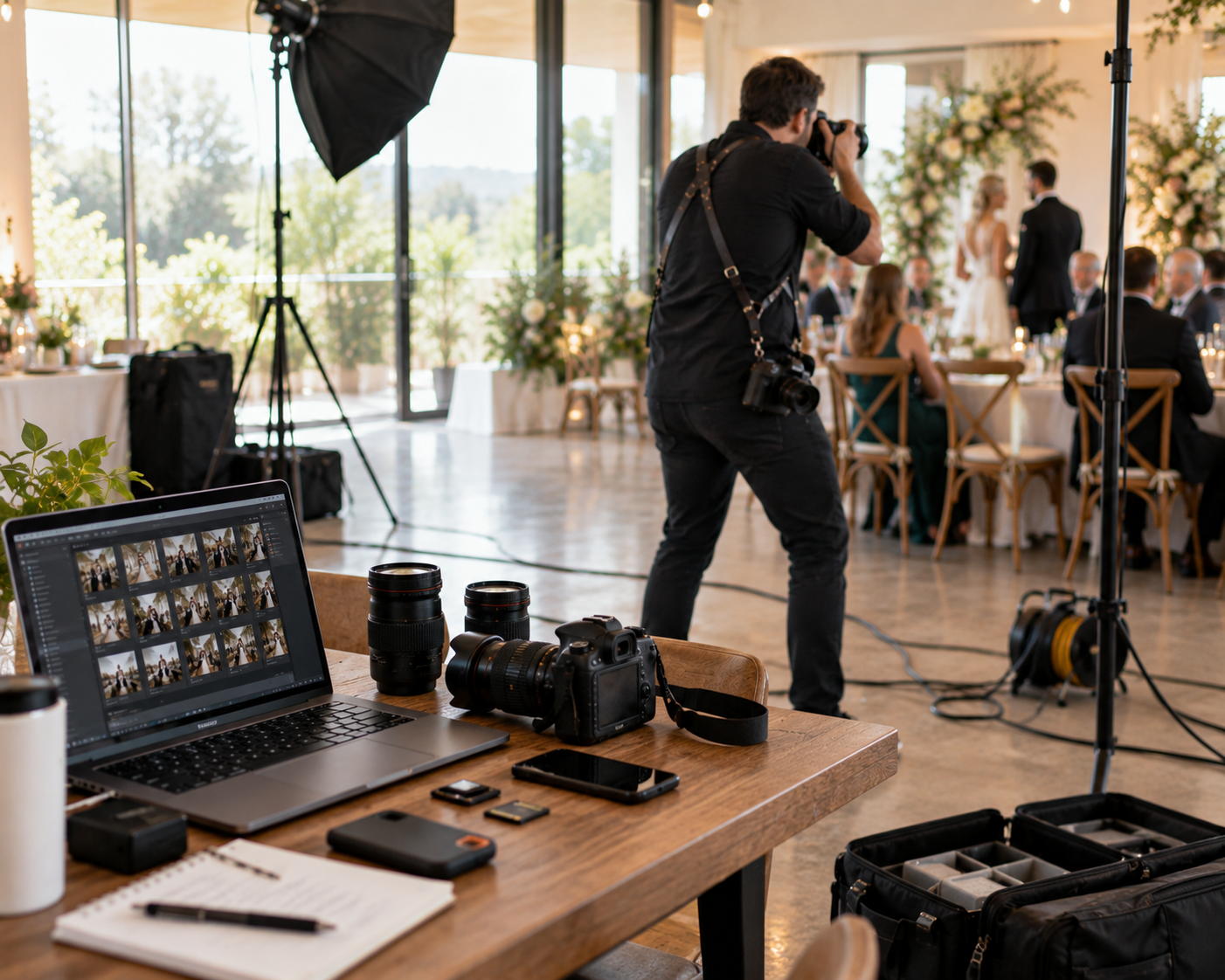
You finish photographing a wedding, but a storage failure corrupts part of the shoot and important images cannot be delivered. At another job, a guest trips over a lighting cable and injures their wrist.
Freelance graphic designers can face two different types of business risk. A client may allege that a design error, missed specification or copyright issue caused financial loss.
A client visits your workspace and trips over a cable. At another job, you accidentally damage equipment while working at a client’s premises. If someone has been injured, the priority is to ensure they receive appropriate medical attention and to address any immediate safety risks.




.svg) The Sami Team
The Sami Team