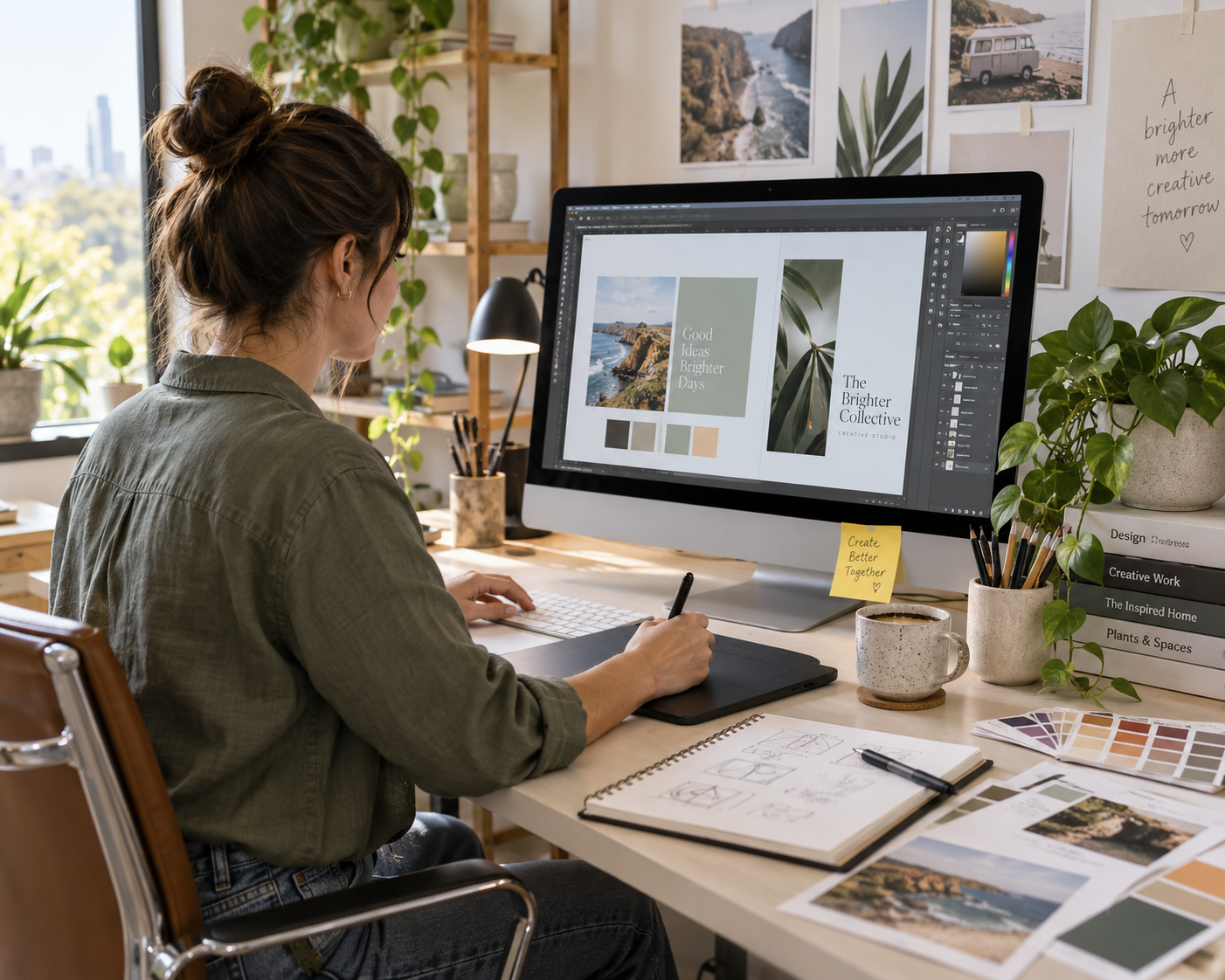
Protecting Your Creativity: Why Graphic Designers Need PI and PL Insurance
When you work in graphic design in Australia, your day is focused on brand strategy, creativity and delivering great visuals.to bring a client’s vision to life. You may think your work is low risk, which is easy to do when you get lost in the creative process. After all, you’re not performing surgery.
However, in this modern, highly litigious environment, a single oversight can put your entire business at risk. Whether you are a freelance sole trader working from home or running a growing agency, understanding and holding Professional Indemnity (PI) and Public Liability (PL)insurance isn’t just a “nice to have”—it's an essential safeguard to protect your business and your professional reputation.
1. Professional Indemnity(PI) Insurance: Safeguarding Your Work
Professional Indemnity insurance is designed to protect you if a client claims that your professional advice, service, or design caused them financial loss. Even the most precise designer could face legal action for negligence. PI insurance helps to protect you for the cost of legal fees and settlements.
Intellectual Property (IP) & Copyright Infringement: Imagine you design a logo, but your client receives a legal threat because it accidentally resembles an existing trademark. If they sue you for the costs of re-branding, PI insurance covers your legal defence costs and settlement. Also, maybe you accidently used an image you didn’t have the correct licence for. This could lead to a breach of copyright claim.
Errors and Omissions: A designer makes a mistake and runs out of time to complete a major branding project on time. The client sues for the financial loss suffered.
Breach of Duty: You provide a service that fails to meet the standards required which results in a dispute with your client.
Loss of Documents: You lose or damage important files which causes financial loss to be suffered by your client. This could be because of a missed launch deadline. A claim is made for this loss.
It’s important to note that evenif a client’s claim is entirely unfounded, the legal fees required to defend your work and clear your name can easily rack up tens of thousands of dollars. PI insurance ensures you have legal experts in your corner from day one.
2. Public Liability (PL) Insurance: Protecting the Physical World
While PI handles what you create, Public Liability insurance handles where you do business. It protects you against claims of third-party bodily injury or third-party property damage arising from your day-to-day business activities.
Many graphic designers work from a laptop at home and assume they don't need PL. However, consider these scenarios:
Client Meetings: If a client visits your home studio or office and trips over a stray laptop charger, breaking their wrist, you could be liable for their medical expenses and lost income.
On-Site Work: If you visit a client’s corporate office for a presentation and accidentally knock a cup of coffee onto their high-end server rack, PL insurance covers the cost of repairing or replacing their property.
Off-Premises Events: If you participate in design markets, industry trade shows, or off-site photo shoots, venue owners will almost always demand proof of PL insurance before letting you set up.
Comparison: PI vs. PL Insurance
Feature
Professional Indemnity (PI)
Public Liability (PL)
Core Focus
Your professional services, advice, and creative output.
Physical interactions with people and their property.
Triggers
Financial loss caused by a design error, copyright issue, or breach of duty.
Physical injury to a third party or damage to their property.
Example Scenario
You accidentally use an unlicensed font on a major commercial campaign.
A client slips on a wet floor in your studio during a consultation.
A Real Business Benefit: Client Trust
Beyond keeping you out of financial trouble, carrying PI and PL insurance changes the way you are perceived in the market.
Many high-paying corporate clients, advertising agencies, and government entities strictly require freelancers to provide a Certificate of Currency for both PI and PL before they can even be onboarded. Being properly insured instantly labels you as a professional who takes their business—and their clients' security—seriously.
Final Thoughts
Your creativity and high-quality work are great assets, but it shouldn't leave you exposed. Bundling Professional Indemnity and Public Liability insurance provides the peace of mind you need to grow your design business securely.
Written by Team Sami & Reviewed by
John David
Insurance Manager | Sami Insurance
With over 40 years of experience across the global insurance and reinsurance landscape, John David is a seasoned leader dedicated to simplifying protection for the modern workforce. As the Insurance Manager at Sami Insurance, John combines deep technical underwriting expertise with a passion for the evolving Insurtech space. John works closely with the Sami team to provide freelancers and sole traders with insurance solutions that are radically simple, transparent, and cost-effective. By leveraging cutting-edge technology and a sharp eye for detail, he helps clients navigate complex risks with a friendly, human-centric approach.
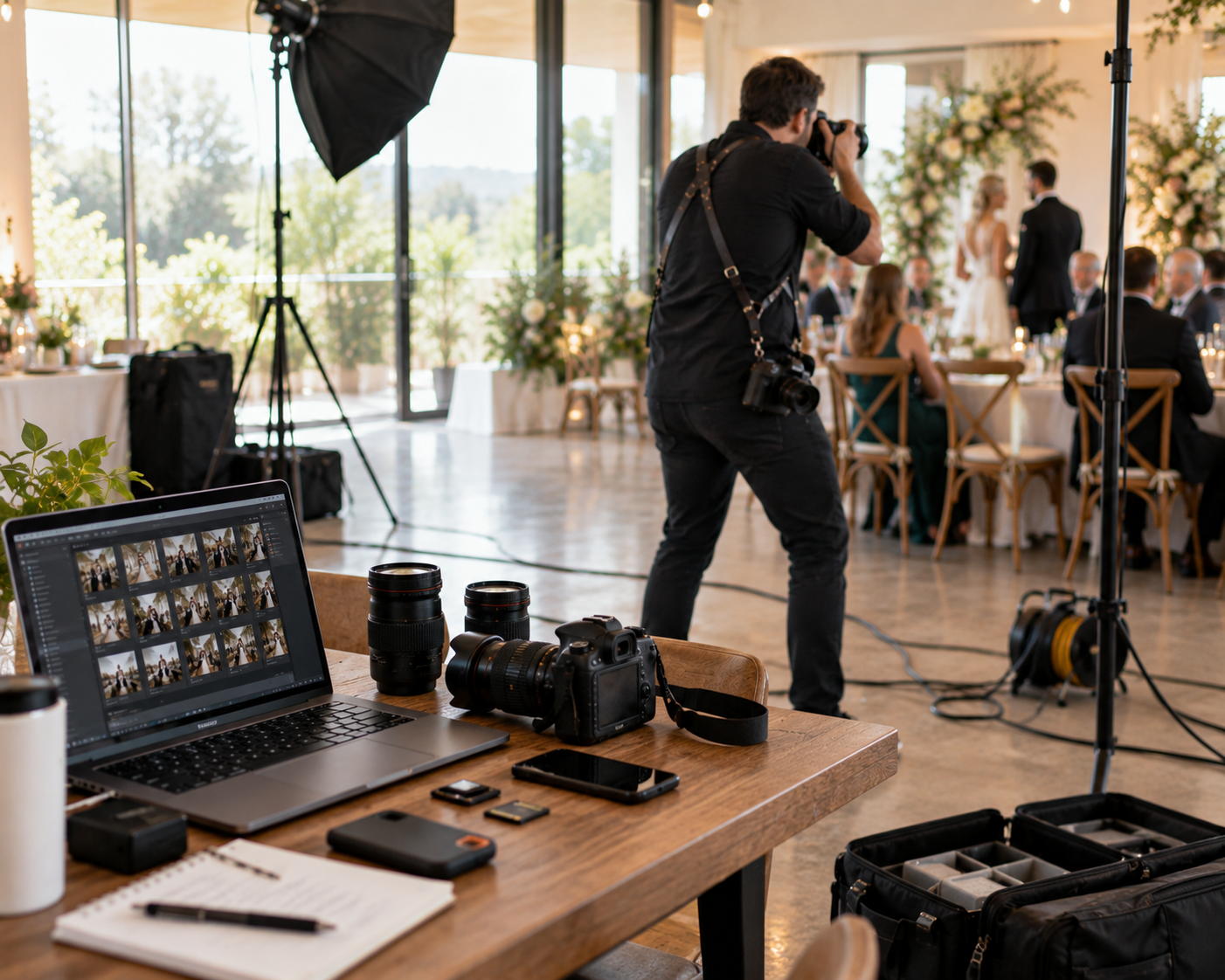
You finish photographing a wedding, but a storage failure corrupts part of the shoot and important images cannot be delivered. At another job, a guest trips over a lighting cable and injures their wrist.
Freelance graphic designers can face two different types of business risk. A client may allege that a design error, missed specification or copyright issue caused financial loss.
A client visits your workspace and trips over a cable. At another job, you accidentally damage equipment while working at a client’s premises. If someone has been injured, the priority is to ensure they receive appropriate medical attention and to address any immediate safety risks.




.svg) The Sami Team
The Sami Team