To help you understand how these policies actually work when things hit the fan, let's look at some realistic Australian claim examples.
1. Professional Indemnity (PI) Insurance Claims
Professional Indemnity insurance covers you if a client alleges that your professional advice, design work, or service caused them a financial loss. For designers, this typically revolves around intellectual property (IP) issues, omissions, and negligence.
Scenario A: The Accidental Copyright Infringement (The $50,000 Logo)
• The Situation: You are hired by a clothing company to design an eye-catching logo. You outline a nice modern design, refine it, and the client signs off on the new logo. Three months later, a large overseas corporation sends your client a legal demand claiming the logo is very similar to their trademarked logo.
• The Fallout: Your client has to stop production, rebrand and discard printed packaging, and possibly face legal action. They sue you for the costs of the failed rebrand and financial loss suffered, alleging negligence in your design research.
• How PI Saves the Day: Your PI policy steps in to cover the costly legal defence fees and contributes to the settlement of the claim.
Scenario B: Negligence and Missed Deadlines
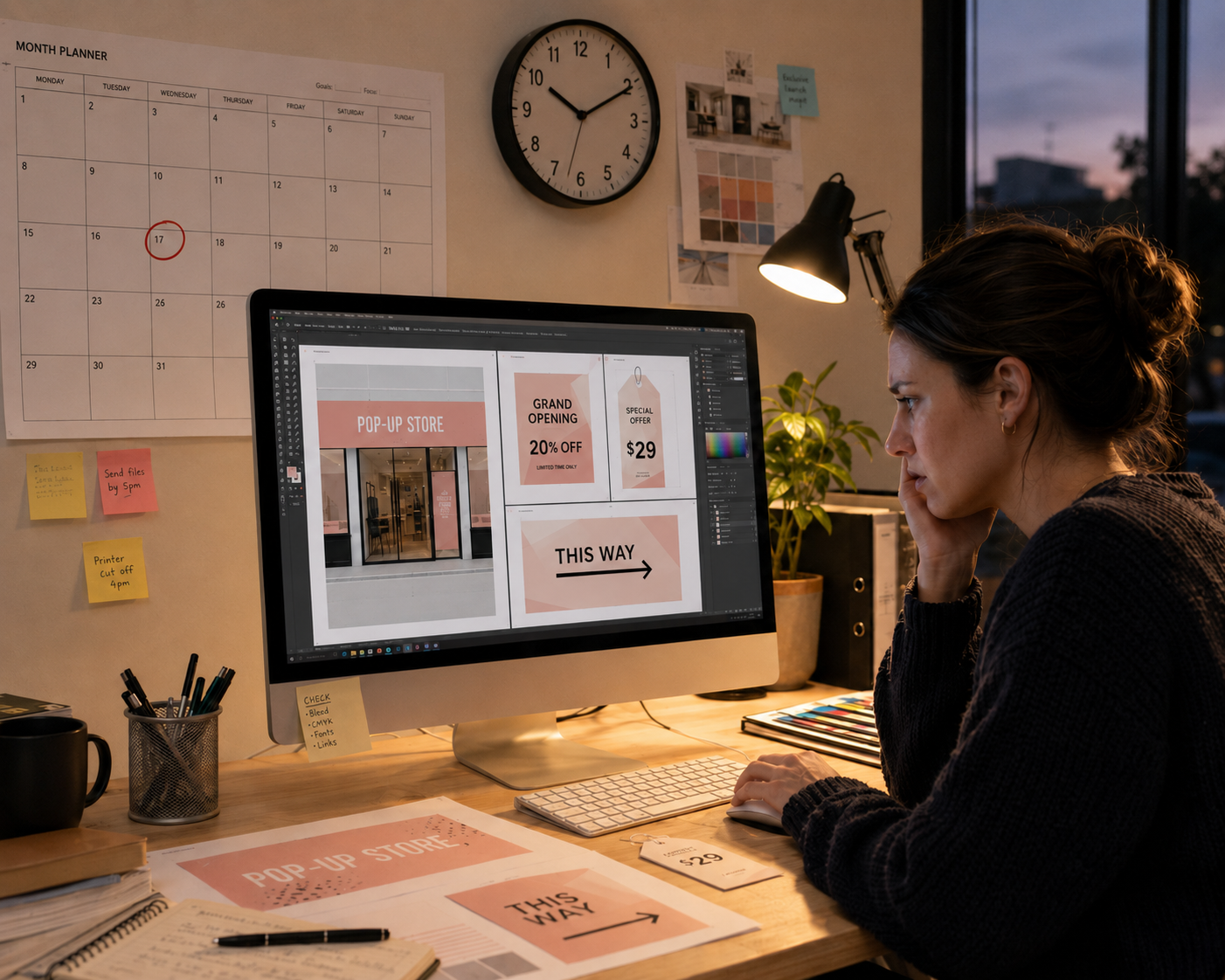
• The Situation: You are hired by a fashion company that is launching a weekend pop-up store, to design all physical environmental graphics; storefront vinyl wraps, clothing price tags and interior directional signage. The printer requires the final files by Tuesday morning to provide delivery for Thursday’s setup. There was an accidental error in how you managed the project and don’t deliver the print ready work until Wednesday afternoon which prevents the printer to complete the job as required.
• The Fallout: The pop-up store opens on the weekend but it has no branding, no signs and no clothing price tags. The client sues you to recover the expensive weekend real estate rental fees and loss suffered by not being able to run the store.
• How PI Saves the Day: Because you made an error in your professional duties, PI handles the financial claim from your client, ensuring your cash flow stays intact.
2. Public Liability (PL) Insurance Claims
Public Liability insurance is different. It doesn't cover your design advice or service; it covers physical world mishaps. If your business activities cause injury to a third party (like a client or member of the public) or damage their physical property, PL has your back.
Scenario C: The Studio Trip and Fall
• The Situation: You run a small home studio. A potential client visits to discuss a major re-design project. While walking over to look at your monitor, they trip over your laptop power cable, falling heavily onto the hardwood floor.
• The Fallout: The client breaks their wrist, requiring surgery, weeks off work, and intensive physiotherapy. They lodge a claim against you to recover their medical expenses and lost income.
• How PL Saves the Day: Public Liability covers the third-party medical costs, legal defence, and compensation payouts from the injury on your premises.
Scenario D: The Ruined Client Equipment
• The Situation: You go onsite to a client’s impressive office in the city for a collaborative workshop. You set your thermos of coffee on the desk. While gesturing during a pitch, you knock it over, spilling liquid directly into the client’s brand-new high-end laptop.
• The Fallout: The hardware is completely fried, and the client demands you replace the equipment immediately.
• How PL Saves the Day: Because you caused accidental damage to third-party property while conducting your business, your PL policy covers the cost to repair or replace the damaged gear.
Quick Comparison: PI vs. PL for Designers
To keep it simple, think of the split this way:
Feature
Professional Indemnity (PI)
Public Liability (PL)
What it protects
Your brain work (advice, designs, service).
Your physical actions & workspace.
Type of loss covered
Financial loss suffered by your client.
Physical injury or property damage to third parties.
Common Scenarios
Copyright claims, breach of professional duty, missing deadlines.
Slips, trips, spills on client property.
The Takeaway for Aussie Creatives
Many Australian clients, corporate contracts, and government freelance panels will explicitly require you to show a Certificate of Currency for both PI and PL before you can even submit a proposal.
By pairing tight internal processes (like written client sign-off sheets) with the right insurance, you build an ironclad shield around your design career. This keeps your focus where it belongs: on creating great work.
Written by Team Sami & Reviewed by
John David
Insurance Manager | Sami Insurance
With over 40 years of experience across the global insurance and reinsurance landscape, John David is a seasoned leader dedicated to simplifying protection for the modern workforce. As the Insurance Manager at Sami Insurance, John combines deep technical underwriting expertise with a passion for the evolving Insurtech space. John works closely with the Sami team to provide freelancers and sole traders with insurance solutions that are radically simple, transparent, and cost-effective. By leveraging cutting-edge technology and a sharp eye for detail, he helps clients navigate complex risks with a friendly, human-centric approach.
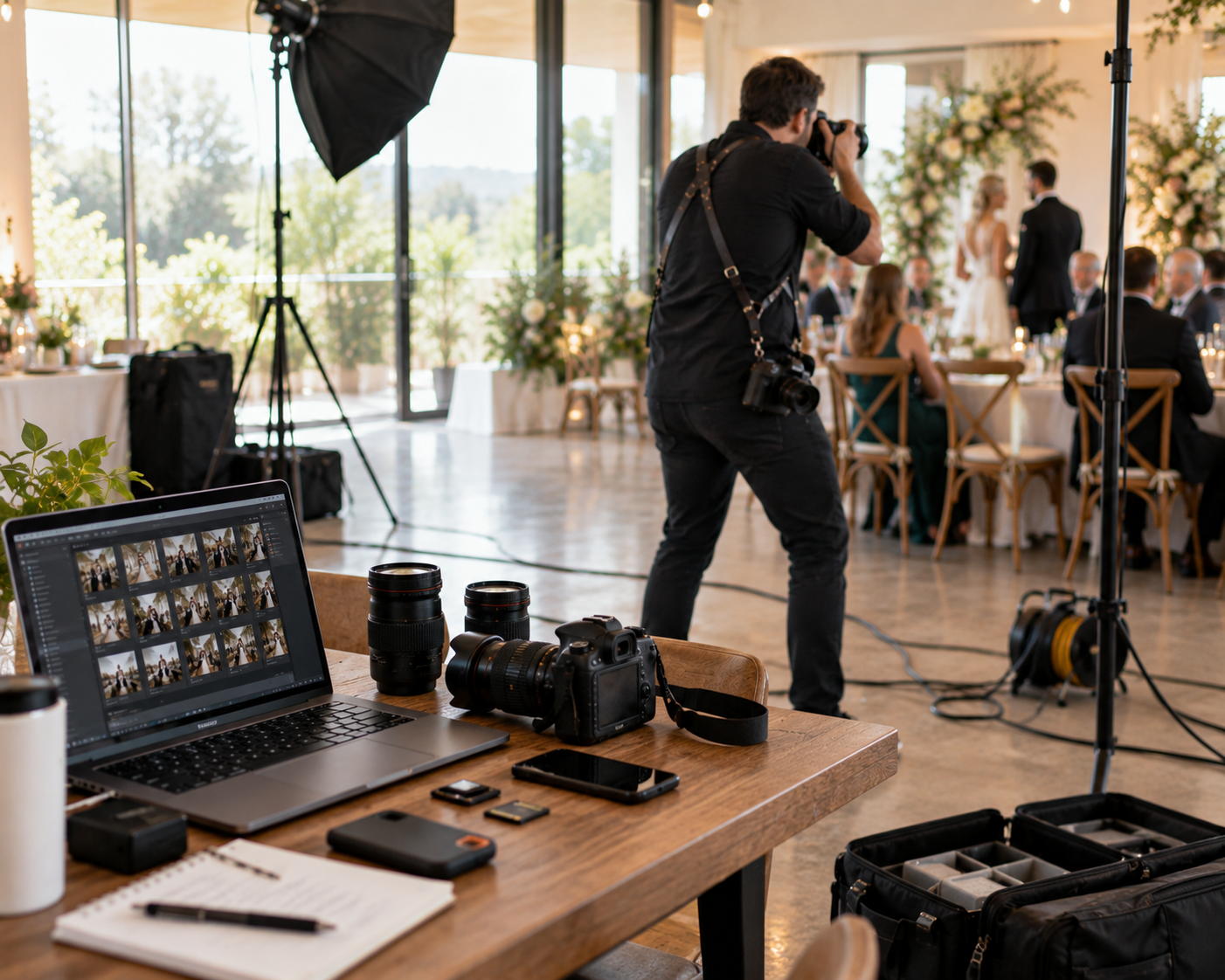
You finish photographing a wedding, but a storage failure corrupts part of the shoot and important images cannot be delivered. At another job, a guest trips over a lighting cable and injures their wrist.
Freelance graphic designers can face two different types of business risk. A client may allege that a design error, missed specification or copyright issue caused financial loss.
A client visits your workspace and trips over a cable. At another job, you accidentally damage equipment while working at a client’s premises. If someone has been injured, the priority is to ensure they receive appropriate medical attention and to address any immediate safety risks.




.svg) The Sami Team
The Sami Team