How Much Does Insurance Cost for a Freelance Graphic Designer in Australia?
At a glance
Professional Indemnity insurance for eligible graphic designers can start from around $15 per week with Sami Insurance.
Public & Product Liability insurance for eligible graphic designers can start from around $5 per week.
Turnover, design services, intellectual property exposure and cover limits can influence PI premiums.
Public & Product Liability premiums can vary based on turnover, work locations, client visits, products supplied and cover limits.
Freelance graphic designers can face two different types of business risk. A client may allege that a design error, missed specification or copyright issue caused financial loss. Separately, a client or visitor could be injured at your studio, or you could accidentally damage property while working on-site.
That is why business insurance for graphic designerscommonly involves Professional Indemnity (PI) and Public & Product Liability (PL). PI responds to eligible claims arising from professional services, while PL covers third-party injury or property damage claims related to business activities or supplied products.
Because these policies cover different risks, they are priced differently. Turnover, services, work setup and selected cover limits can all influence the premium.
How Much Does Professional Indemnity Insurance Cost for a Freelance Graphic Designer?
With Sami Insurance, professional indemnity insurance for graphic designers can start from around $15 per week. Graphic designers can select indemnity limits up to $5 million, with the actual premium depending on the services provided, annual turnover and chosen limit.
PI is generally the primary insurance for graphic designers because the work itself can give rise to client claims of financial loss. A client might claim that you used an unlicensed asset, supplied artwork with incorrect specifications, missed an important deliverable or failed to meet an agreed professional standard.
What Affects the Cost of Professional Indemnity Insurance?
The cost of Professional Indemnity insurance can vary depending on the type and scale of your design work, and the level of cover you choose.
Annual turnover: Higher turnover can indicate a greater volume or value of work, increasing the potential financial exposure associated with a claim.
Type of design services: Branding, strategy, consulting and other work that can directly shape a client's business outcomes may carry a different risk profile from purely execution-focused services.
Intellectual property exposure: Regular use of fonts, images, logos, illustrations and other third-party assets can increase the risk of copyright or IP disputes.
PI cover limit: A higher indemnity limit provides greater cover for eligible claims and may increase the premium. Your PI insurance quote is also determined by any limits required by clients or contracts.
How Much Does Public & Product Liability Insurance Cost for a Freelance Graphic Designer?
Public & Product Liability insurance for graphic designers can start from around $5 per week with Sami. Cover limits are available up to $20 million, with the actual premium depending on factors such as turnover, business setup and the limit selected.
PL cover is generally relevant for graphic designers who meet clients, work from a studio, attend events, visit client premises or supply physical products.
Eligible graphic designers can also combine Public & Product Liability insurance with Professional Indemnity insurance through Sami. The combined premium depends on the selected covers and limits, as well as your individual business details.
What Affects the Cost of Public & Product Liability Insurance?
Public & Product Liability premiums are influenced by how your business operates physically, the products you supply, the level of cover selected and your claims history.
Annual turnover: The scale of your business can influence the insurer’s assessment of liability exposure.
Where you work: Client premises, event venues, shared workspaces and studios can introduce different third-party injury and property damage risks.
Clients visiting your premises: A visitor could, for example, trip over a cable or other equipment in your studio. Sami’sreal-world insurance claim examples for Australian graphic designers show how incidents involving injury or damaged property can lead to liability claims.
Products you sell or supply: Printed merchandise, signage or other physical goods can introduce Product Liability exposure. Product liability cover responds to injury or property damage claims caused by products supplied.
Cover limit: Higher liability limits may increase the premium.
The cost of insurance for graphic designers depends on more than just the occupation itself. A home-based freelancer producing digital artwork may present a different risk profile from that of a designer who provides brand strategy, regularly visits client sites and supplies physical products.
Price should also be considered alongside the excess, inclusions, exclusions and any cover limits required by clients or contracts. The right cover is one that reflects how your business actually operates, not simply the one with the lowest premium.
Get a quick quote online with Sami Insurance to see pricing based on your graphic design business and selected cover. Eligibility requirements apply, and all cover is subject to the policy terms, conditions, limits and exclusions.
FAQs
Is business insurance tax-deductible for freelance graphic designers?
Business insurance premiums are generally tax-deductible where they are incurred for the purpose of running your business and earning assessable income. The ATO's guidance on operating expense deductions specifically lists professional indemnity and public liability insurance among common deductible business expenses. Your individual circumstances can affect how deductions apply, so check with your accountant or tax adviser if you are unsure.
How much cover do I actually need as a freelance designer?
There is no single cover limit that suits every freelance graphic designer. The appropriate amount depends on factors such as the size and value of your projects, the types of clients you work with, your potential financial exposure and any minimum insurance limits required under client contracts.
Can a client require me to have a certain level of insurance?
Yes. Some clients may require freelance graphic designers to hold Professional Indemnity or Public & Product Liability insurance before work begins, and the contract may specify a minimum cover limit. This is particularly relevant when working with larger organisations, agencies or government clients, so check the insurance requirements in your contract before selecting your level of cover.
Written by Team Sami & Reviewed by
John David
Insurance Manager | Sami Insurance
With over 40 years of experience across the global insurance and reinsurance landscape, John David is a seasoned leader dedicated to simplifying protection for the modern workforce. As the Insurance Manager at Sami Insurance, John combines deep technical underwriting expertise with a passion for the evolving Insurtech space. John works closely with the Sami team to provide freelancers and sole traders with insurance solutions that are radically simple, transparent, and cost-effective. By leveraging cutting-edge technology and a sharp eye for detail, he helps clients navigate complex risks with a friendly, human-centric approach.
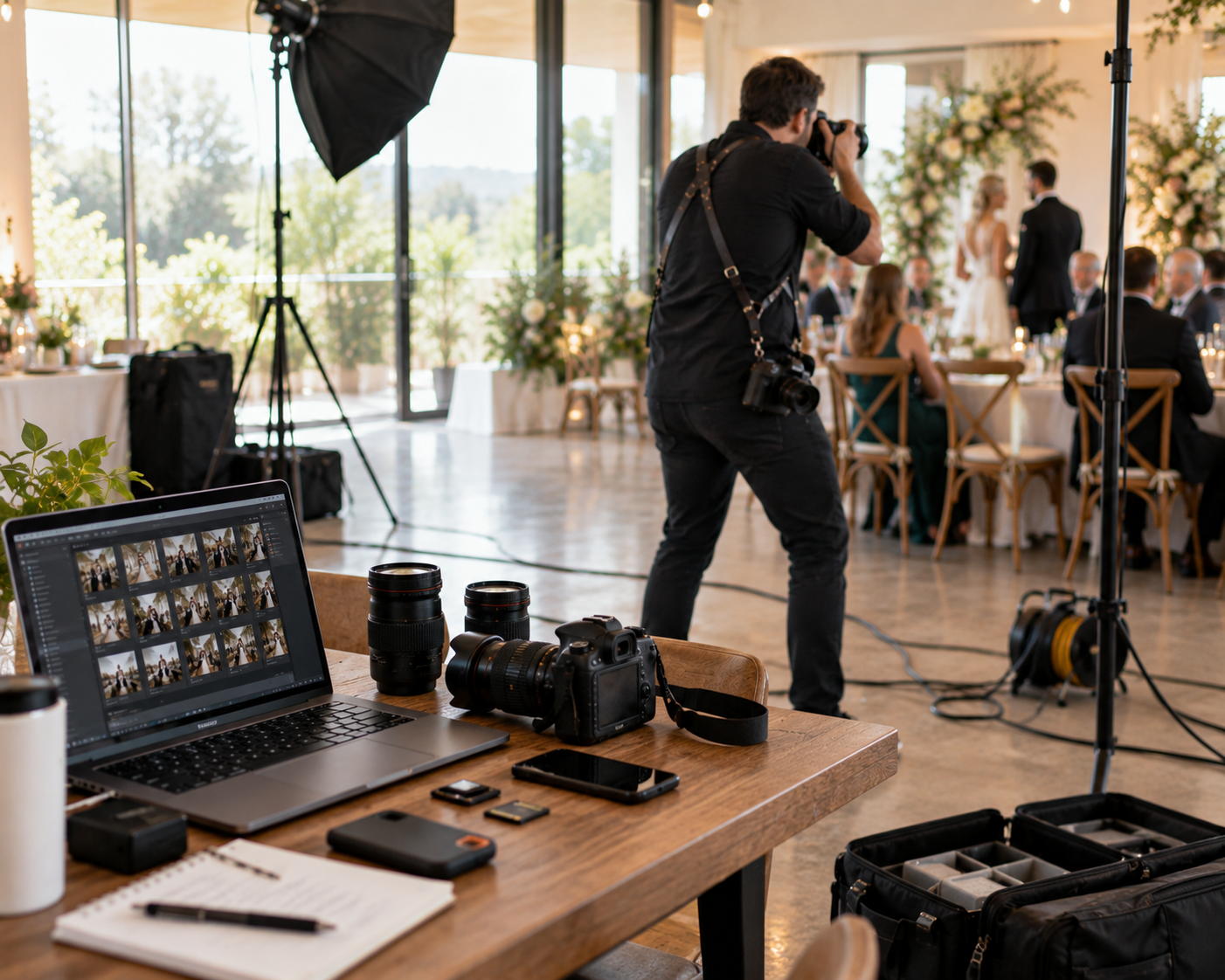
You finish photographing a wedding, but a storage failure corrupts part of the shoot and important images cannot be delivered. At another job, a guest trips over a lighting cable and injures their wrist.
A client visits your workspace and trips over a cable. At another job, you accidentally damage equipment while working at a client’s premises. If someone has been injured, the priority is to ensure they receive appropriate medical attention and to address any immediate safety risks.
As a yoga instructor, you make professional judgements every time you teach. You decide how to cue alignment, modify poses, supervise students and structure a class from one movement to the next.




.svg) The Sami Team
The Sami Team

